What Is a Comprehensive Car Insurance Claim?
A comprehensive car insurance claim is filed when your vehicle is damaged by something other than a standard car accident. Comprehensive coverage protects you from a wide range of non-collision incidents, such as severe weather, theft, vandalism, animal-related damage, and broken glass.
If your vehicle is harmed by an event that doesn’t involve crashing into another car or object, the damage is typically handled under the comprehensive portion of your auto insurance policy. Filing a comprehensive claim allows you to receive reimbursement for repairs or replacement after you pay your deductible.
What Is Comprehensive Coverage and What Does It Protect?
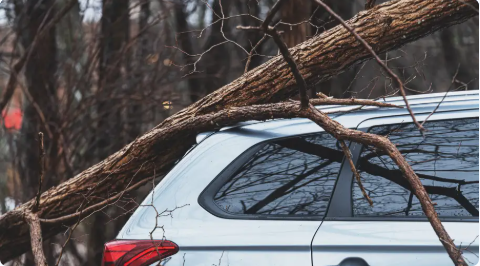
Comprehensive coverage pays for repairing or replacing your vehicle when damage occurs from causes outside of collisions. While many people use the phrase “full coverage” when talking about car insurance, comprehensive coverage is just one part of that package.
A full coverage auto insurance policy usually includes:
- Liability insurance (required by state law)
- Collision coverage
- Comprehensive coverage
Comprehensive insurance is designed to protect against unpredictable events that are often outside a driver’s control. These are sometimes referred to as “acts of nature” or “non-collision losses.”
Common Incidents Covered by Comprehensive Insurance
Typical situations covered under comprehensive insurance include:
- Weather damage, such as hailstorms, flooding, wildfires, or hurricanes
- Damage from hitting an animal, including deer or livestock
- Vehicle theft or attempted theft
- Vandalism and riot-related damage
- Broken or cracked windshields and windows
- Fire damage
- Falling objects, such as tree branches, debris, or construction materials
These events can happen whether your car is parked or in motion, and they are usually not related to driver error.
What Comprehensive Coverage Does Not Cover
While comprehensive insurance offers broad protection, it does have limits. It does not cover:
- Damage caused by a collision with another vehicle
- Damage from hitting stationary objects, such as guardrails or poles
- Normal wear and tear, including worn tires, brake pads, or engine maintenance
- Mechanical breakdowns unrelated to a covered event
If your car is damaged in a collision, that loss would be handled under collision coverage, not comprehensive.
Why You Might Want Comprehensive Coverage
There are several reasons to consider adding or keeping comprehensive insurance on your policy.
If your vehicle is financed or leased, lenders almost always require full coverage insurance to protect their financial interest in the car. Comprehensive coverage ensures that damage from theft or natural disasters doesn’t leave you paying out of pocket for a vehicle you still owe money on.
Even if your car is paid off, comprehensive insurance can still be worthwhile. It’s generally less expensive than collision coverage and can provide peace of mind against costly, unexpected events. Many insurance experts recommend keeping comprehensive coverage as long as the premium cost is reasonable compared to the value of your vehicle.
That said, comprehensive coverage may not always make sense. If your car is very old, has low market value, or would cost more to insure than it’s worth, you might consider dropping coverage. An insurance agent can help you evaluate whether the potential payout justifies the ongoing cost.
When Should You File a Comprehensive Claim?
Knowing when to file a comprehensive claim depends largely on your deductible. The deductible is the amount you pay out of pocket before your insurance coverage applies.
If the cost to repair your vehicle is less than your deductible, filing a claim won’t result in a payout. Even if repair costs are only slightly higher than your deductible, it may still be worth paying out of pocket to avoid a possible premium increase at renewal.
For example, if your deductible is $1,000 and the damage repair is estimated at $1,200, filing a claim would only result in a $200 payout. In that case, some drivers choose not to file.
However, when damage is significant—such as extensive hail damage, theft, or flooding—filing a comprehensive claim is often the smart financial decision.
How to File a Comprehensive Insurance Claim
If you decide to move forward with a comprehensive claim, the process is usually straightforward.
First, contact your insurance company through their mobile app, website, local agent, or customer service line and report the incident. Be prepared to explain what happened and when the damage occurred.
Next, gather and submit documentation. This may include photos, videos, receipts, or written descriptions of the damage. In cases involving theft or vandalism, a police report is usually required.
Your insurer may ask you to obtain repair estimates from approved or local body shops. Some drivers choose to get estimates beforehand to help decide whether filing a claim makes sense.
Once your claim is reviewed and approved, the insurance company will issue payment to you or directly to the repair facility, minus your deductible. Throughout the process, it’s important to respond promptly to any requests for additional information to avoid delays.
The Bottom Line
A comprehensive car insurance claim covers damage caused by events outside of typical accidents, including weather, theft, vandalism, animals, and falling objects. While it’s optional coverage, it plays a critical role in protecting your vehicle from unpredictable losses.
Before filing a claim, always compare the repair cost to your deductible and consider the potential impact on future premiums. When used strategically, comprehensive coverage can save you thousands of dollars and provide valuable peace of mind when the unexpected happens.